Growing up, kids born in the late 1940s and early 1950s took westerns for granted. Watching them via television was hard for me because tv was in its infancy and set reception was problematic. Today I typically watch more tv in a day than I did in a week as a child.
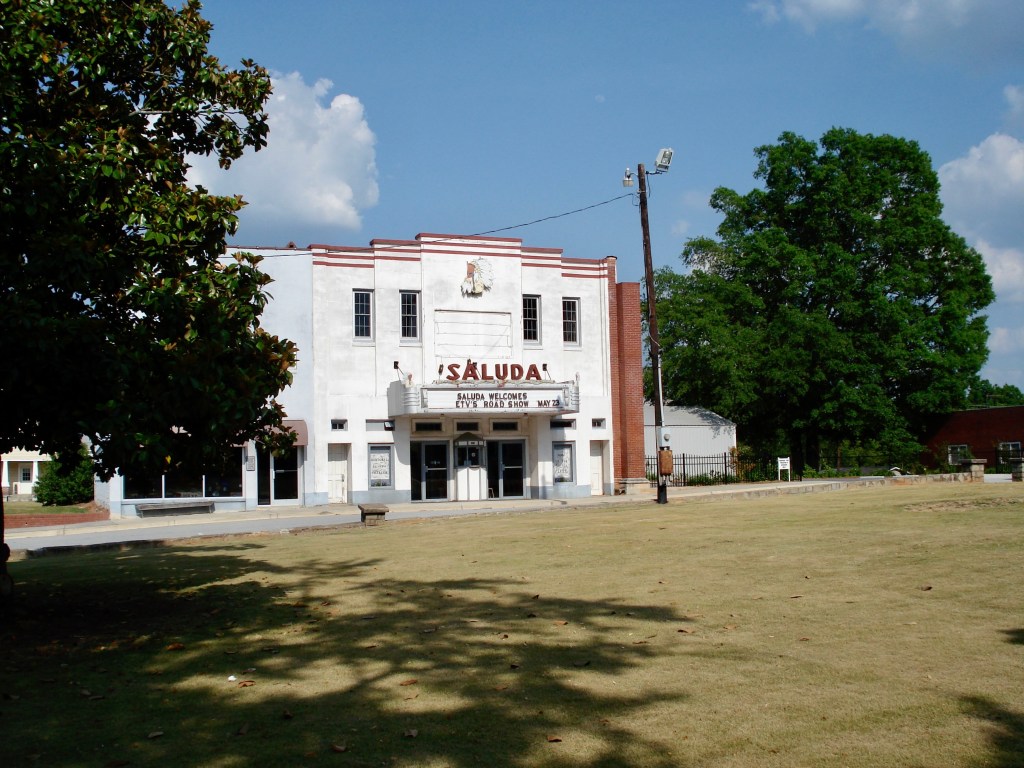
I saw most of my westerns as part of double bills on Saturday afternoons at the Indian Chief theater in Saluda, SC. 25 cents, two shows. Nothing stuck in particular but cowboys chasing Indians was embedded in my head from what I saw and translated into moving plastic figurines of western figures on dirt in play formations. That and, of course, small plastic Army figurines. Hours worth of imagination were born from movie shots and translated in movement of plastic heroes and villains in dirt patches surrounded by grass.
What I distinctly remember is Larry Powell and some other kids getting into trouble for standing up beside their front row seats and pulling out their caps guns to shout “Bang, bang!” during exciting parts of cowboy action. I preferred to sit a few rows back and was more retrained: I left my guns and holsters at home. Sometimes Mr. Buck, the theatre manager, had to walk down front with his peculiar flashlight that showed red along a tube and came to a spotlight of white. He quieted down the excited kids.
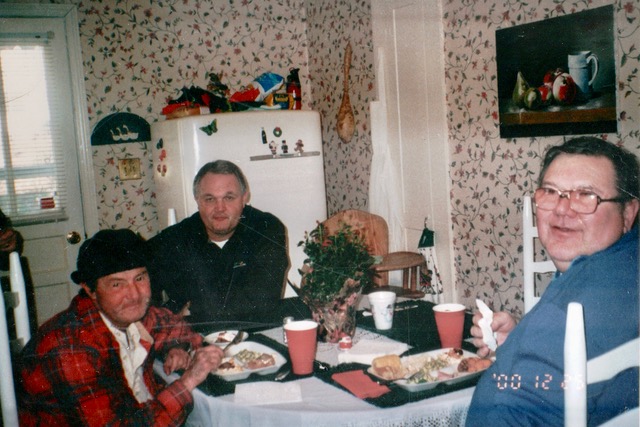
Larry Powell was a classmate and is shown above in a photo from a Christmas at my in-laws in Saluda decades later on the right. Nita’s brother Jerry invited adult Larry over to eat some holiday fixings. The memory of cowboy Larry remains vivid as does my first “date” at the Indian Chief. I wore my new corduroy jeans and whatever shirt I primped in last for a chance to sit with Glenda. I remember waiting for her out front and the meeting of our hands during the picture. She was so beautiful and I was so shy but that is another essay.
About a year ago I fell into watching Death Valley Days, a show that I sometimes saw on television. It is an anthology series created by Ruth Woodman that played from 1930–1945 on radio and on tv from 1952–1970. It was sponsored by Twenty-Mule Team borax, a type of detergent additive that my mother used to get my Lee Riders free from grass stains on the knees.
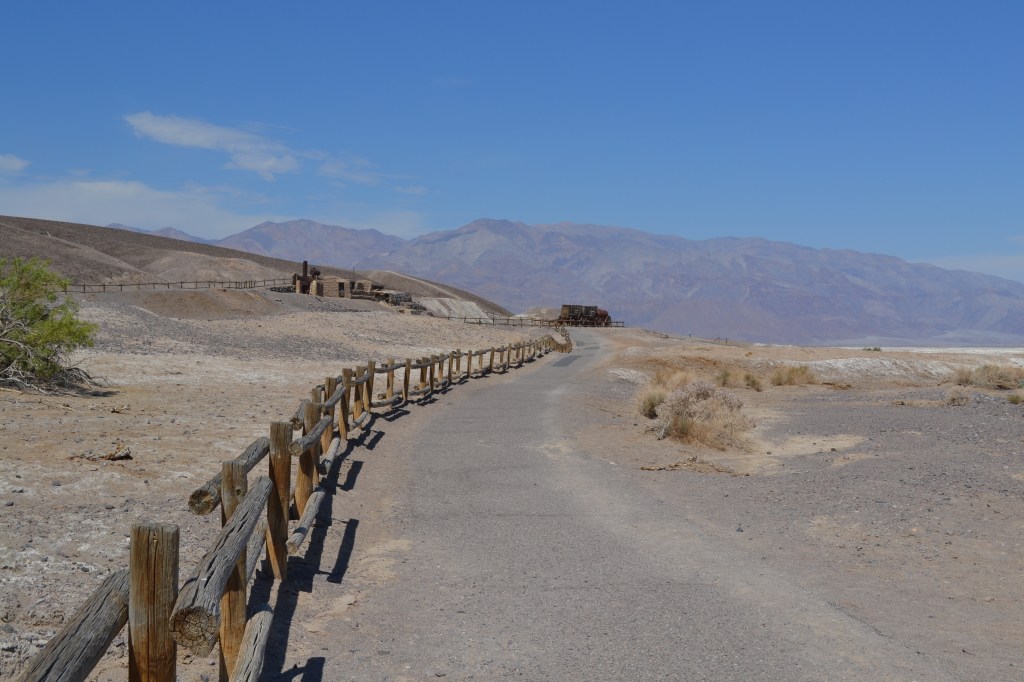
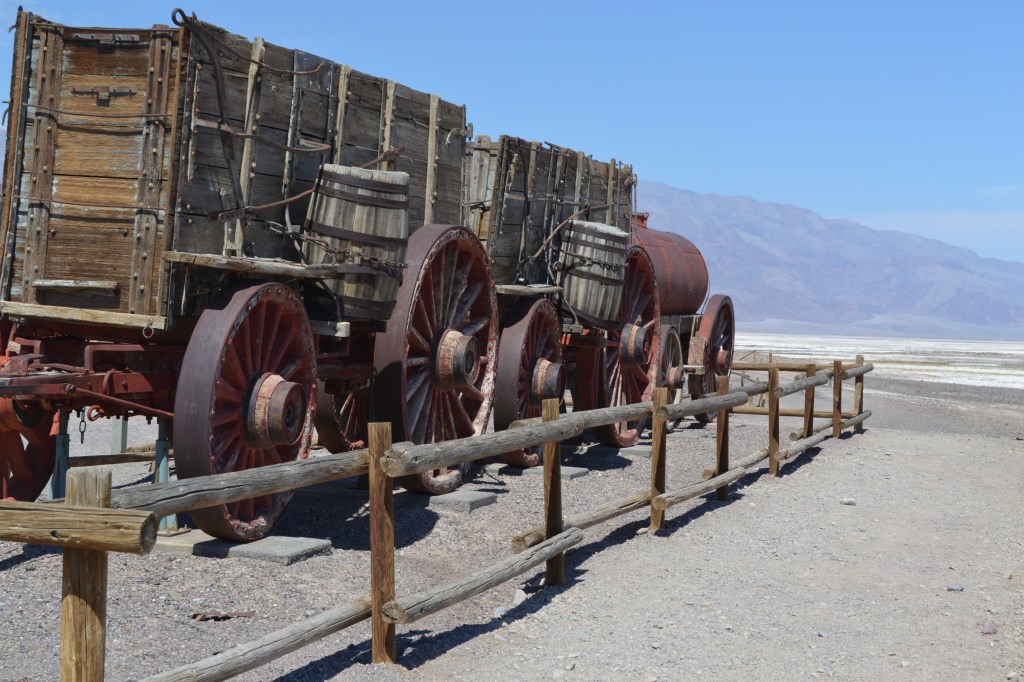
The photos show remains of the borax industry in Death Valley, California from my May 2017 camping trip out West. Death Valley Days begins with filmed shots of the twenty-mule team at work but includes programs related to all of the western United States. Each show is a discreet presentation that re-enacts stories related to that part of the country.
Death Valley, California, is on the eastern side of the Rockies not far from the Nevada border. Go once and never forget. The arid heat makes breathing hard but the short hikes to historic sites with artifacts preserved by the arid environment is first rate. Death Valley Days was filmed mostly in the park.
Each program was introduced by a host starting with Stanley Andrews, Ronald Reagan, Robert Taylor, and finally Dale Robertson. The black and white landscape shots satisfy me as much as the history explored in each episode. For nearly thirty minutes I leave the divided current time of impending turmoil to find release in America’s expansiveness. Respect, dignity, telling the truth, and human kindness show up in each program.
Unlike Roy Rogers, Hopalong Cassidy was just a vague name from childhood until I fell into my daily dose of The Hopalong Cassidy Show. I had seen his image and likely one or more of his movies but they reach far back for someone my age.
“Show” is misleading because the first part of the series is actually a collection of sixty-six movies that the show’s star, William Boyd, bought along with the rights for the series from Clarence Taylor. (Most factual attribution is taken from Wikipedia). Boyd saw promise in the new invention of television and went station to station in 1948 to rent his acquired properties that rapidly lead to the shorter tv series and the explosion of the western on America’s new at-home small screens.
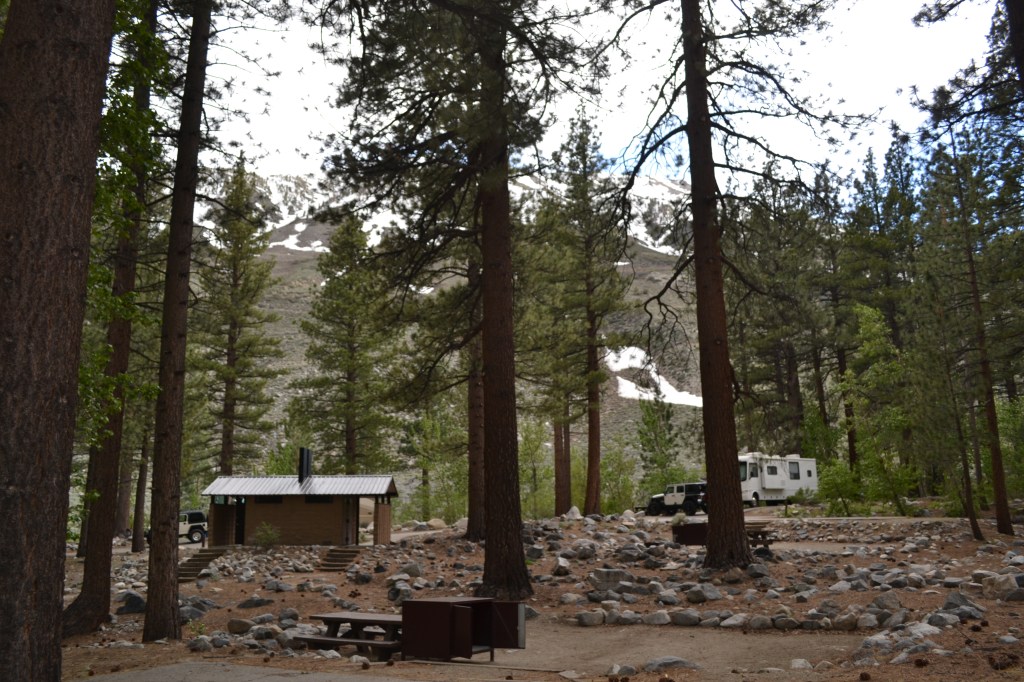
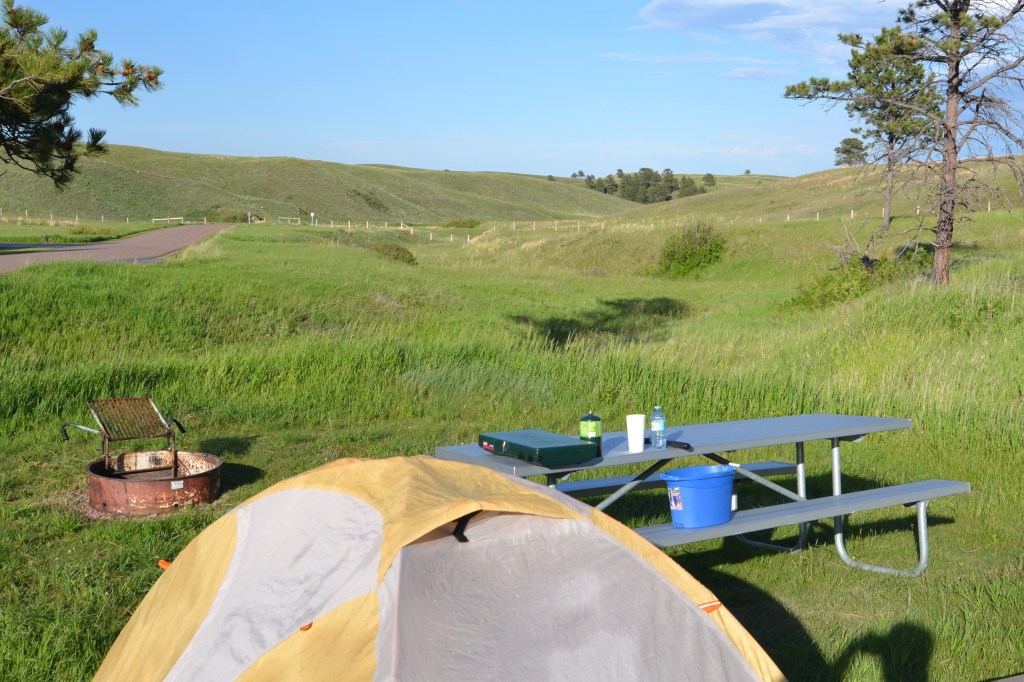
Sage Flat Campground north of Death Valley is in the Owens Valley near Kings Canyon National Park south of Lake Tahoe. Owens Valley was home to most of the filming of Hopalong Cassidy. I camped there after leaving Death Valley on my way to seeing the nearby Methuselah trees or bristlecone pines, the oldest living trees on the planet (probably). Difficult to access Shulman Grove is close to Sage Flat Campground.
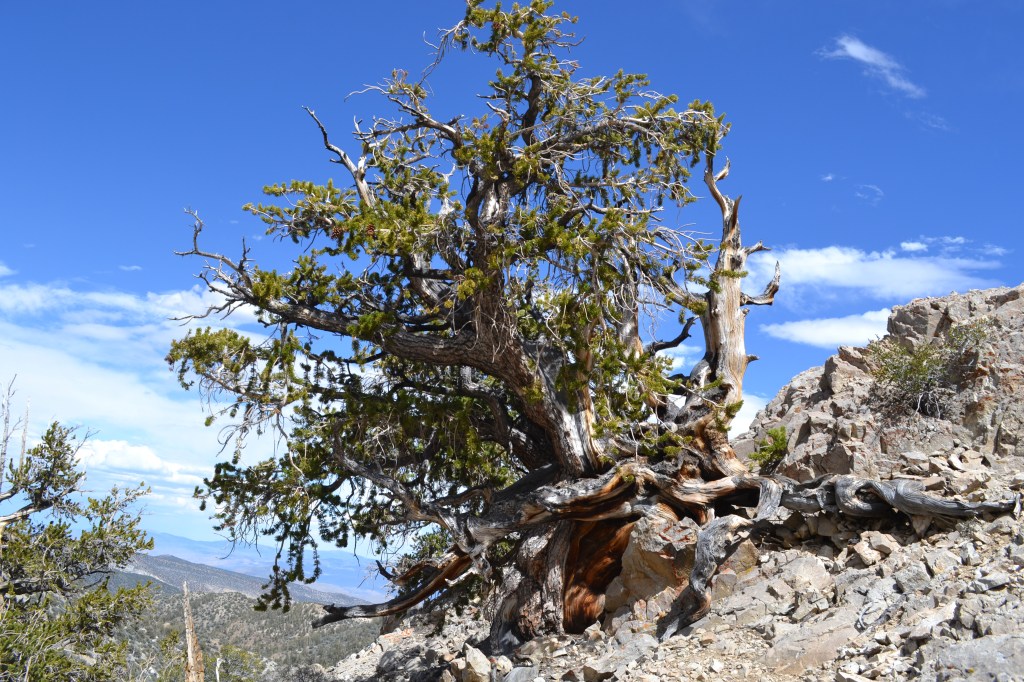
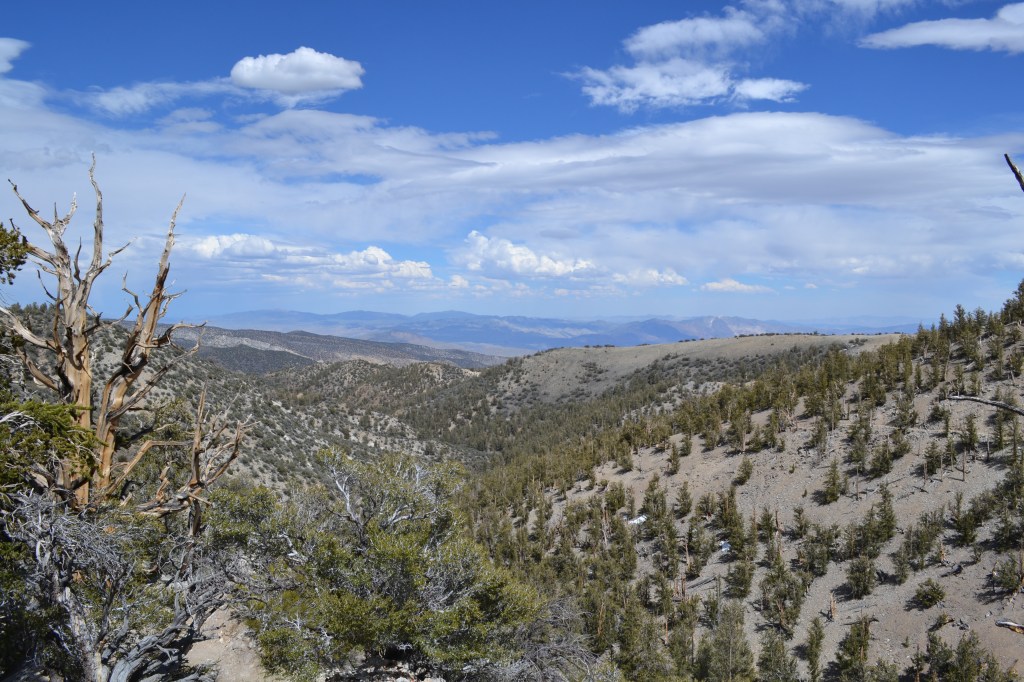
The stunted bristlecones of Shulman grove appear half dead but are living remnants of time before the United States and Jesus Christ. They grow at altitudes from 9,800 to 11,000 feet. The oldest one known in Shulman Grove is 4,856 years old (unmarked). The giant mountain redwoods in nearby Kings Canyon are younger.
The Hopalong Cassidy Show took advantage of this landscape with giant panning shots surrounding the characters, especially in the movies that are appended to the beginning of the tv series. It became the first network series and sold a lot of metal lunchboxes for Aladdin. Hoppy is played by William Boyd as a mature adult. Hoppy’s character is lot like that of Sheriff Taylor on The Andy Griffith Show: he mediates disputes and reserves gun fire.
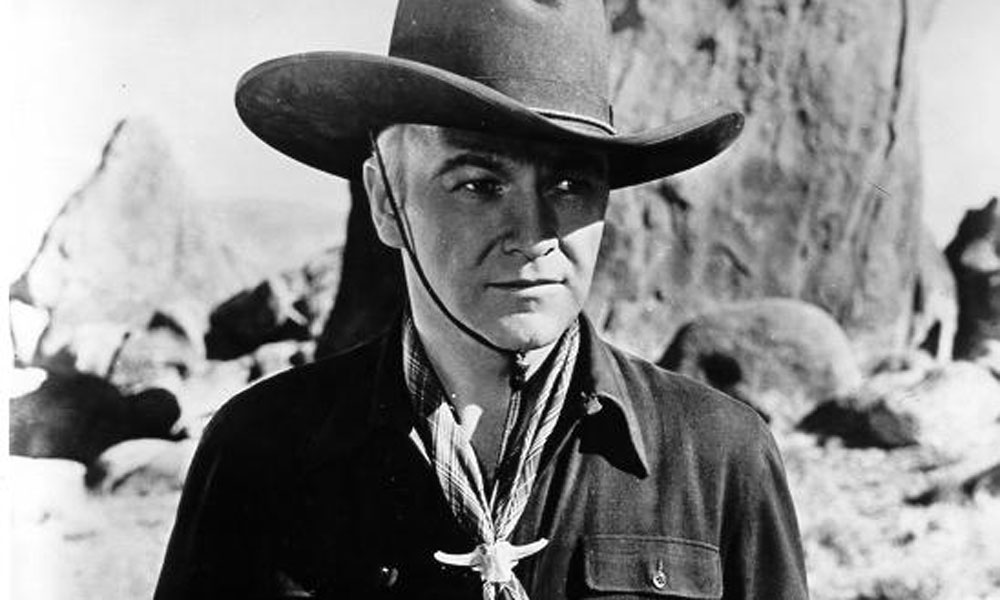
Most cowboy heroes that linger in memory fail to capture empathy. The roles of John Wayne come to mind. Way too much swagger for my tastes. William Boyd’s portrayal of Hoppy has a pureness. He comes across like Jimmy Stewart in It’s a Wonderful Life. He does not run off at the mouth. The camera follows his gaze as he looks around in a problem situation and seems show his mind working. He thinks more than he shoots. He cares about others and fairness. Call him the Golden Rule personified.
Watching these Westerns–I give myself a small but steady dose daily–takes me away from time I live in when American justice seems like a joke to this kid from the late 1940s. They lighten my mood and give a view a vistas with twenty-mile sight lines that clear the clutter in my brain.

 Danny Forrest